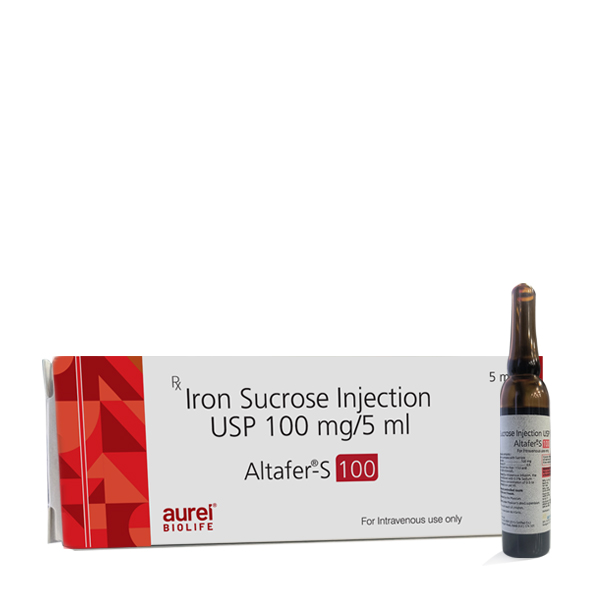
Ferrous ascorbate, Folic acid and Zinc Tablets
Altafer
Altafer is a Ferrous Ascorbate, Folic Acid and Zinc tablet formulated to prevent and manage iron-deficiency anaemia and folate deficiency, particularly during pregnancy and lactation. Ferrous Ascorbate is a highly bioavailable, non-constipating form of iron bound with vitamin C for better absorption. Folic acid supports red blood cell formation and nervous system development, while zinc supports immunity, wound healing, and healthy cell growth.
Last updated: 25 August 2026
Ferrous Ascorbate and Folic Acid and Zinc Tablet Uses:
- Prevention and treatment of iron-deficiency anaemia
- Correction of folate deficiency during pregnancy and postnatal recovery
- Nutritional support where zinc, iron, and folic acid intake is inadequate
- General fatigue and low-haemoglobin management (under medical guidance)
Ferrous Ascorbate and Folic Acid Tablet Uses (without zinc variants): the same iron + folate combination is commonly recommended for antenatal supplementation and correcting nutritional anaemia, with zinc added here for additional immune and growth support.
Why Ferrous Ascorbate Instead of Other Iron Salts
Many older iron supplements use ferrous sulphate or ferrous fumarate, which can cause constipation, nausea, and metallic taste severe enough that people stop taking them before completing the course. Ferrous Ascorbate’s binding to vitamin C is designed to improve absorption while reducing these gastrointestinal side effects, which matters most during pregnancy when consistent daily use over several months is needed to correct anaemia. Altafer is often used alongside other Aurel Biolife supplements such as Calsma Tablet for broader antenatal nutritional support, though your doctor should confirm what combination is right for you.
For general background on iron-deficiency anaemia and recommended intake, the NIH Office of Dietary Supplements iron fact sheet is a useful independent reference.
Who Should Be Cautious
People with haemochromatosis or other iron-overload conditions should not take iron supplements like Altafer unless specifically directed by a doctor, since excess iron can accumulate to harmful levels in these cases. Iron supplements can also interact with certain thyroid medications and some antibiotics, so take Altafer a few hours apart from these where possible, or as your pharmacist advises. Store below 25°C in a dry place, away from children.
Choosing Ferrous Ascorbate Folic Acid and Zinc Tablets for Your Needs
Not every iron supplement suits every person, which is why the combination approach in Altafer, pairing Ferrous Ascorbate with folic acid and zinc, is designed to cover overlapping nutritional gaps common during pregnancy and recovery from anaemia.
Getting enough iron, folic acid, and zinc through food alone can be difficult, particularly for vegetarians, vegans, and anyone with a limited diet. Altafer provides these three important nutrients for maternal and general health in one convenient daily tablet.
Frequently Asked Questions
Q: What are Ferrous Ascorbate, Folic Acid and Zinc tablets used for?
A: They are used to prevent and treat iron-deficiency anaemia and folate deficiency, commonly recommended during pregnancy, lactation, and for correcting low haemoglobin levels, with added zinc for immune support.
Q: Is Ferrous Ascorbate better than ferrous sulphate?
A: Ferrous Ascorbate is generally better tolerated than ferrous sulphate, causing fewer gastrointestinal side effects like constipation, while offering comparable or better iron absorption due to its vitamin C binding.
Q: Can pregnant women take Altafer tablets?
A: Ferrous Ascorbate, Folic Acid and Zinc tablets are commonly prescribed during pregnancy to prevent anaemia and support foetal development, but should only be taken as advised by your gynaecologist or physician.
Q: What is the difference between ferrous ascorbate and folic acid tablets with and without zinc?
A: Both combinations treat iron and folate deficiency. Adding zinc additionally supports immune function, wound healing, and growth, making the zinc-containing variant useful where zinc deficiency is also a concern.